About Cane River
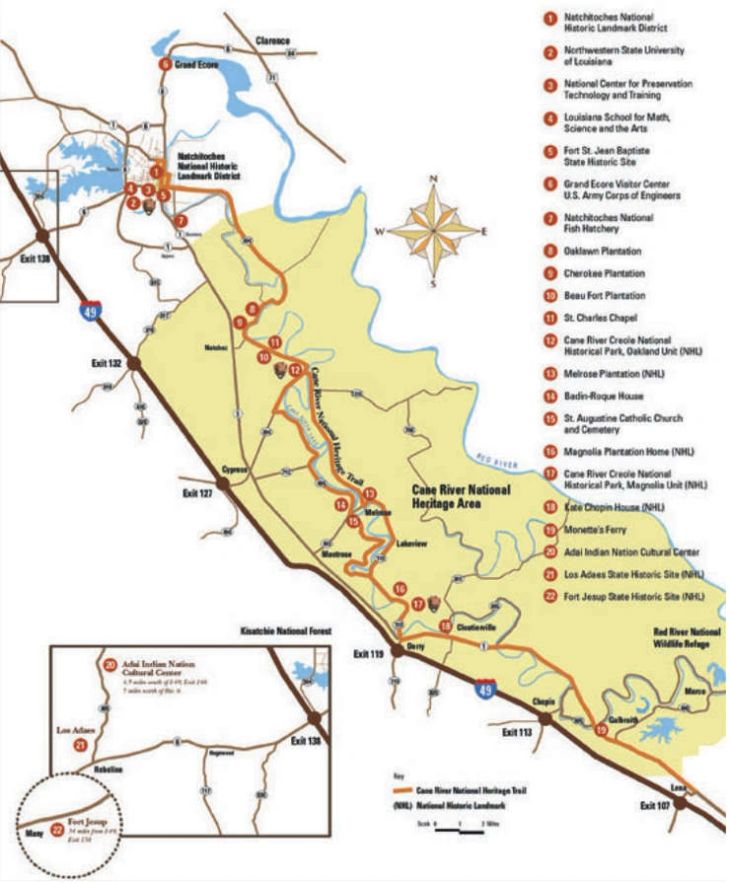
Cane River National Heritage Area
Cane River National Heritage Area
The Cane River National Heritage Area stretches approximately 35 miles from the historic city of Natchitoches to Monette’s Ferry, preserving one of the most culturally significant landscapes in the United States. Established by the French in 1714, Natchitoches is the oldest permanent settlement in the Louisiana Purchase and served as a vital crossroads for French, Spanish, Native American, and African cultures. Today, the Heritage Area is home to the nation’s largest concentration of preserved Creole architecture, historic plantations, churches, and communities that reflect more than three centuries of shared history.
Shaped by the changing course of the Red River, the Cane River region evolved from a thriving center of trade into an agricultural powerhouse producing indigo, tobacco, and later cotton. The area witnessed the profound transitions from slavery to sharecropping and, eventually, to modern mechanized farming. Throughout these changes, generations of Creole families preserved a rich cultural legacy rooted in resilience, faith, and community.
The Heritage Area includes the 33-block National Historic Landmark District in downtown Natchitoches, seven National Historic Landmarks, multiple state historic sites, and dozens of properties listed on the National Register of Historic Places. Its distinctive Creole cottages, townhouses, and plantation homes—built using construction techniques influenced by French, Caribbean, West African, and Native American traditions—stand as enduring symbols of one of America’s most unique and diverse cultural landscapes.
Today, the Cane River National Heritage Area continues to celebrate and preserve the stories, traditions, architecture, and enduring spirit of the Cane River Creole community, ensuring that its extraordinary legacy lives on for future generations.
Show More
Today, the Heritage Area is home to the nation’s largest concentration of preserved Creole architecture, historic plantations, churches, and communities that reflect more than three centuries of shared history. Shaped by the changing course of the Red River, the Cane River region evolved from a thriving center of trade into an agricultural powerhouse producing indigo, tobacco, and later cotton. The area witnessed the profound transitions from slavery to sharecropping and eventually to modern mechanized farming, while generations of Creole families preserved a rich cultural legacy rooted in resilience, faith, and community.
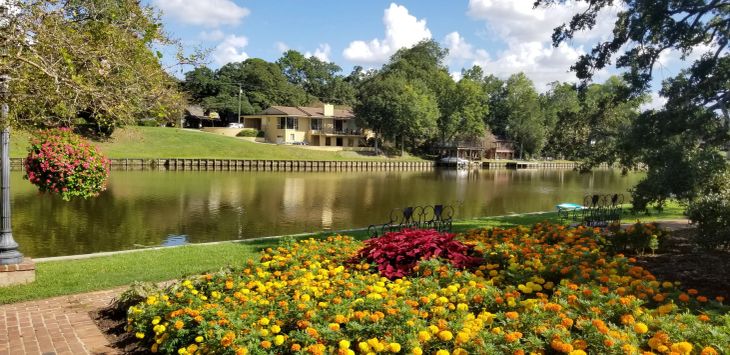
Natchitoches: The Beginning of Louisiana’s Story. Where I was raised.
Natchitoches: The Beginning of Louisiana’s Story. Where I was raised. Natchitoches, founded in 1714 by Louis Juchereau de St. Denis, is the oldest permanent European settlement with in the boundaries of the 1803 Louisiana Purchase. Established as a French trading post, the city became an important center for commerce, agriculture, and cultural exchange between French settlers, Native Americans, Africans, and later American pioneers. During the 18th and 19th centuries, the region flourished through cotton plantations, river trade, and the labor of enslaved African Americans whose contributions shaped its economy and heritage. When the course of the Red River changed in the 1800s, it left behind the beautiful 33-mile-long Cane River Lake, transforming the historic river into the heart of the legendary Cane River region. Today, Natchitoches is celebrated for its rich French and Creole heritage, preserved plantations, historic architecture, and enduring legacy as the birthplace of one of Louisiana’s most culturally significant communities.
Show More
When the course of the Red River changed in the 1800s, it left behind the beautiful Cane River Lake, transforming the historic river into the heart of the legendary Cane River region. Today, the Cane River National Heritage Area continues to celebrate and preserve the stories, traditions, architecture, and enduring spirit of the Cane River Creole community, ensuring that its extraordinary legacy lives on for future generations.
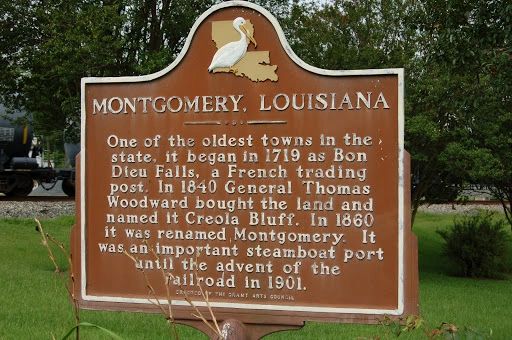
Montgomery, LA – My Birth Place
Montgomery, one of the oldest towns in the state, began in 1719 as Bon Dieu Falls, a French trading post. In 1840 General Thomas Woodward bought the land and named it Creola Bluff. In 1860 it was renamed Montgomery. It was an important steamboat port until the advent of the railroad in 1901.
Show More
The community remains part of the larger Cane River story, connecting family memory, trade routes, and the movement of people and culture across Louisiana. Its history helps frame the personal and ancestral journey told throughout CreoleSun.
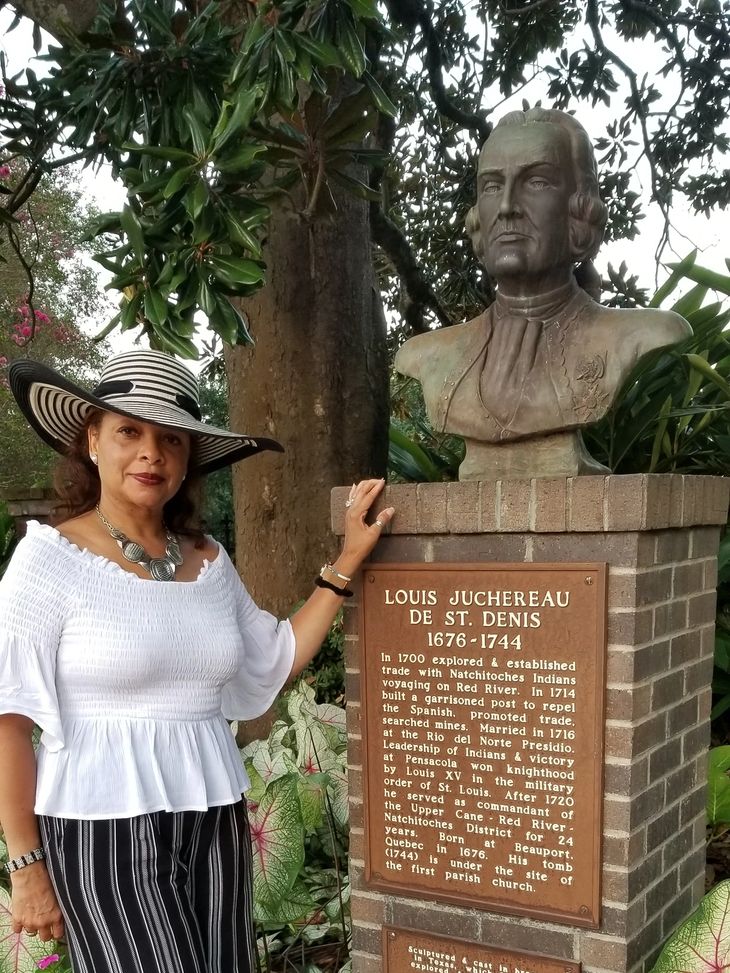
Louis Juchereau de St. Denis –
My 8th Great Grandfather
Louis Antoine Juchereau de St. Denis (September 17, 1676 – June 11, 1744) was a French Canadian soldier and explorer best known for his exploration and development of the Louisiana and Spanish Texas regions. He founded Fort St. Jean Baptiste de Natchitoches in northern La Louisiane.
Show More
He commanded a small garrison at Fort de la Boulaye on the lower Mississippi River and helped establish the earliest foundations of the region that would become central to Cane River Creole history. His role in the founding of Natchitoches links directly to the family lineage preserved on this page.

Claude Thomas Pierre Metoyer
My 6th Great Grandfather
Claude Thomas Pierre Metoyer (1743-1815), son of Nicolas Francois Metoyer and Marie Anne Drapron, was born on March 12, 1744 in La Rochelle, France. In the mid 1760s he immigrated to the outpost of Natchitoches in the Louisiana Territory where he became a successful merchant and plantation owner.
Show More
He later had a liaison with an African slave, Marie Therese dite Coincoin, by whom he fathered ten children. Marie Therese and her children became free people of color and eventually owned 12,000 acres of farmland that would become Melrose Plantation.

Marie Thérèse CoinCoin
My 6th Great Grandmother
The Matriarch of Cane River
Few women have left a legacy as remarkable as Marie Thérèse Coincoin. Born into slavery in 1742 in the household of Louis Juchereau de St. Denis, the founder of Natchitoches, her life reflects both the painful contradictions and extraordinary resilience that shaped early Louisiana history.
Show More
As a young woman, Coincoin was leased to French merchant Claude Thomas Pierre Metoyer to serve as his housekeeper. Their long relationship resulted in ten children, seven of whom survived to adulthood. Eventually, Metoyer purchased Coincoin’s freedom, as well as the freedom of several of their children. Through determination and enterprise, Coincoin and her sons amassed landholdings that helped establish the thriving community of Isle Brevelle and the legacy associated with Melrose Plantation.
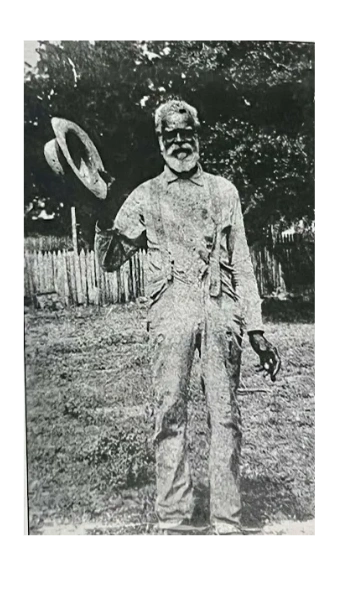
Dominique Toussaint
My 3rd Great Grandfather
Dominique Toussaint
Formerly enslaved on the Oakland Plantation, he was believed to have been a tailor.
Show More
His story reflects the lived experiences of Cane River families whose labor, skill, and endurance shaped the region’s cultural and economic life. Remembering him honors the generations whose names and work remain central to this heritage.
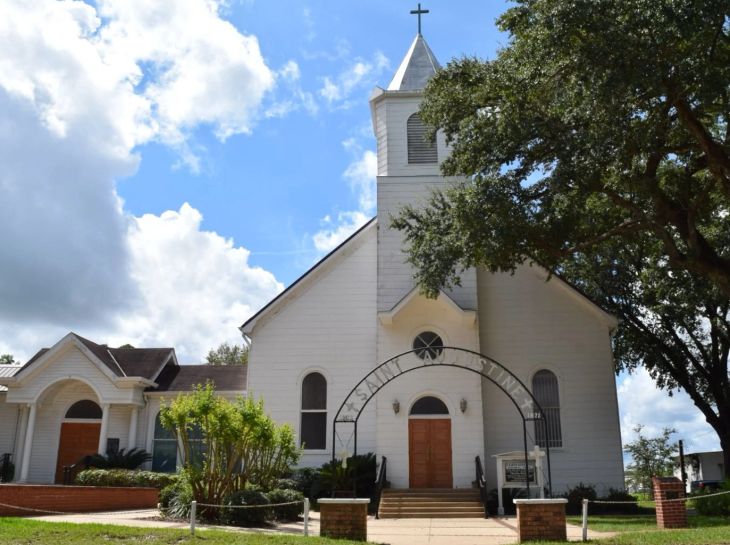
St. Augustine Church
A Creole Louisiana Landmark
Historical Landmark Church stands as one of the most treasured landmarks of the Cane River Creole community and a lasting symbol of faith, perseverance, and cultural identity.
Show More
Established through the vision of Louis Metoyer, a prosperous free man of color, Catholic worship began in the plantation era and continued through generations of Cane River families. The church remains a powerful reminder of community devotion and continuity.
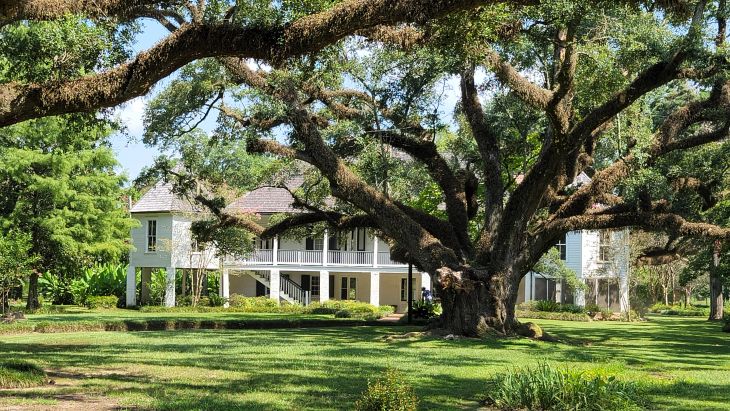
Melrose Plantation
Melrose Plantation is one of the most significant historic landmarks along the Cane River, remembered for its deep ties to the Metoyer and Coincoin family legacy.
Show More
Its grounds and buildings stand as enduring witnesses to the layered history of free people of color, plantation life, artistry, and cultural preservation in Louisiana. The plantation remains central to understanding the broader Cane River story.